Today was supposed to be the warmest day all week (24) so we thought we’d better go to the beach!
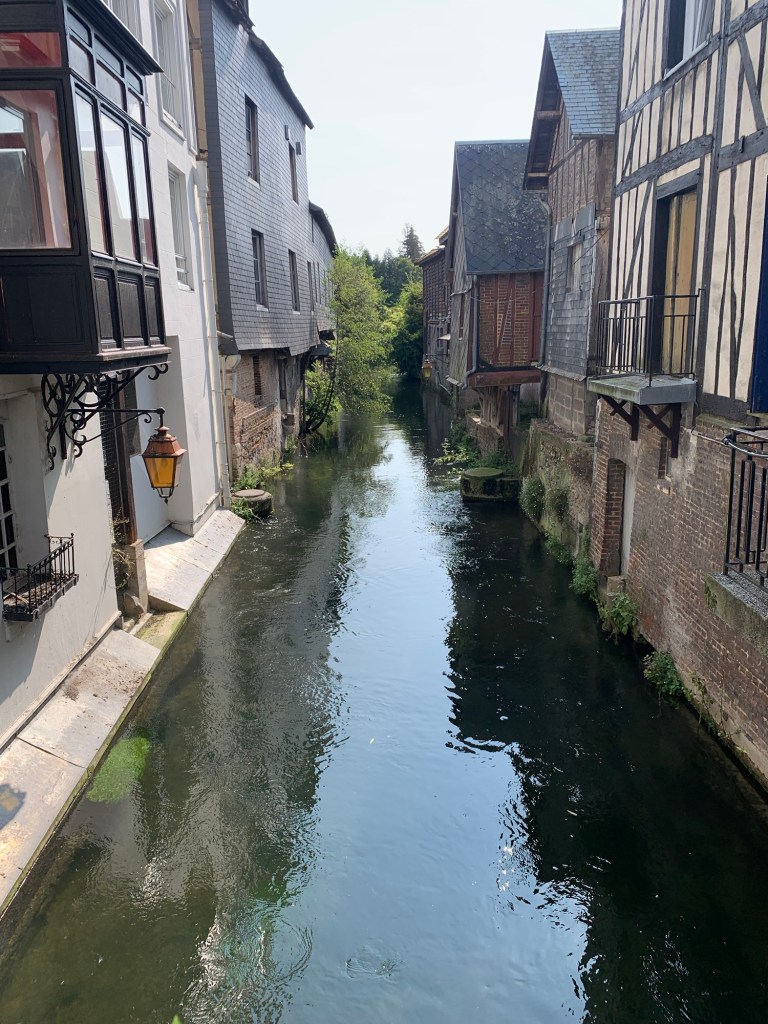
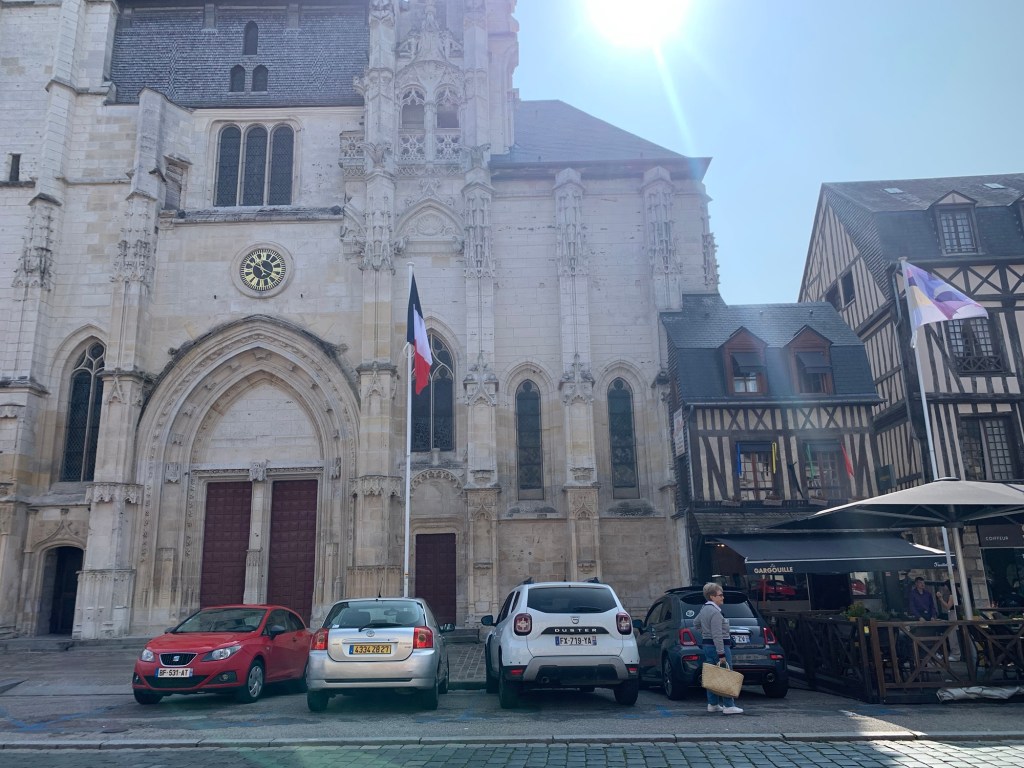
On the way we stopped at Pont Audemer. This is a village off the freeway that I have wanted to stop at for ages. Self described as Venice of the north, it has some lovely little canals and waterways through the village. (Side note: I wondered how many places use ‘Venice of the north’ as I have heard it before. Turns out almost every country north of Italy has at least one! Bruge, Amsterdam, Lofoten, Stockholm). There were lots of half timbered houses and the obligatory cathedral. It was previously a town with a tanning and leather industry. The famous Thierry Hermes was an apprentice here in 1821.
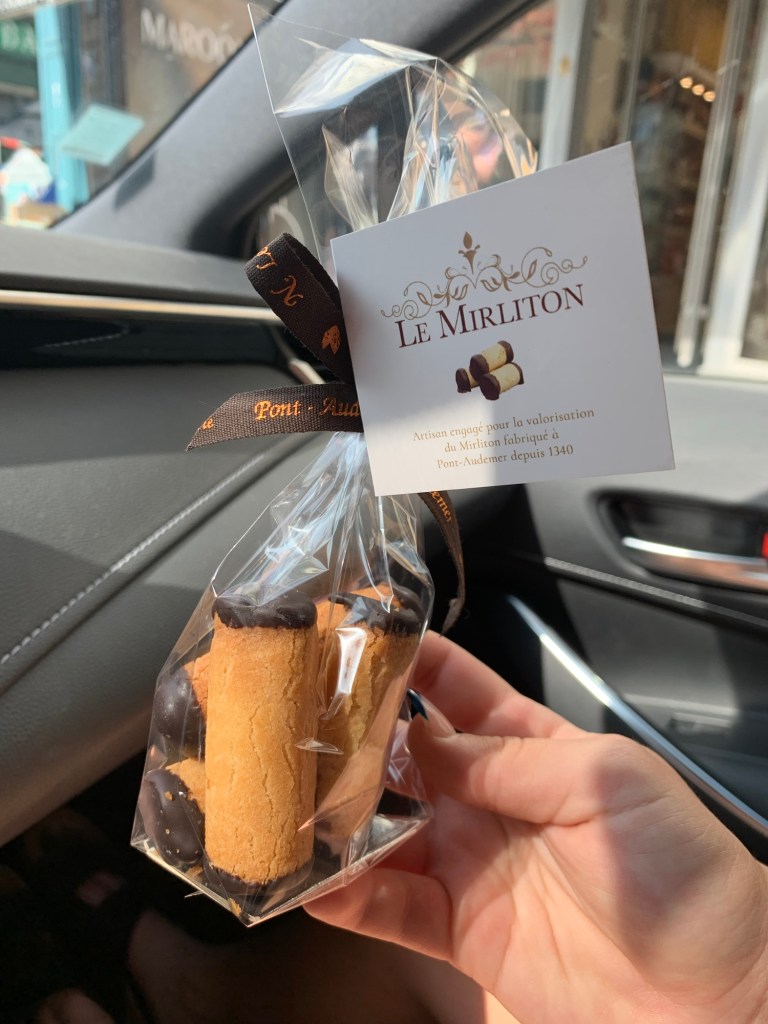
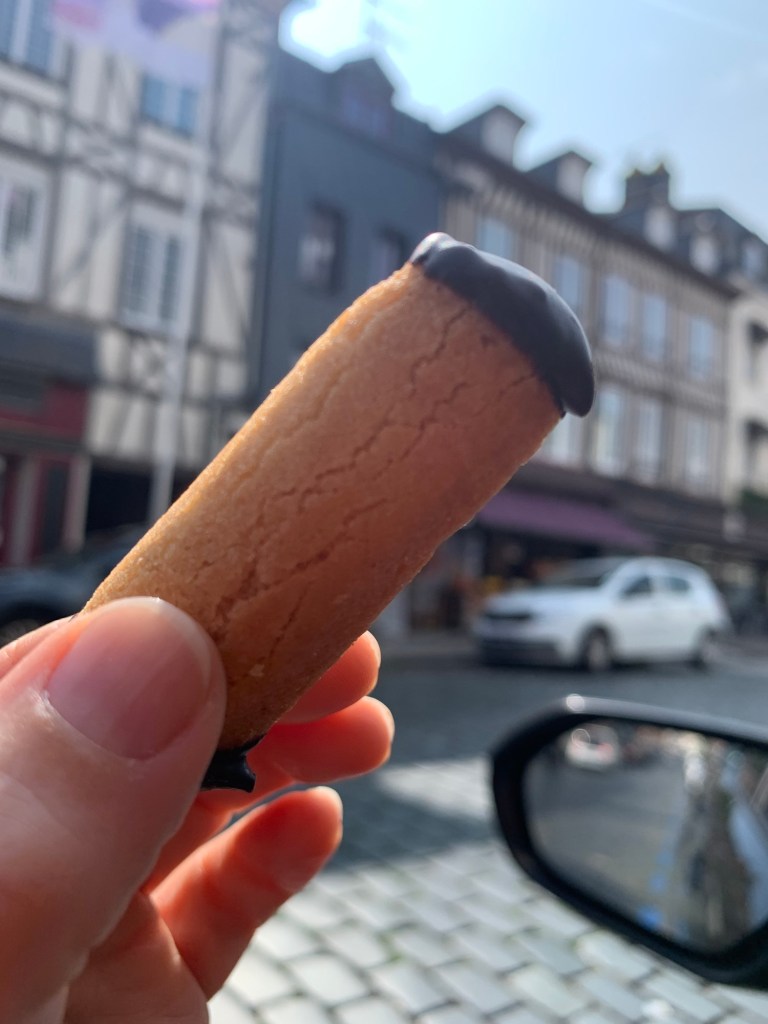
The village is famous for a little pastry called a Mirliton and a special kind of baguette called a Parisse. The Mirliton is a biscuit with a praline mousse inside and each end stopped up with chocolate. It was designed by a chef to the kings in 1340. The Parisse uses a special recipe that only artisan bakers can use to make the bread, which has extra crunch on the outside. We can vouch for both 😊
We continued on towards the coast at Honfleur. Honfleur is a very cute old town that has retained its character. It sits on the estuary where the Seine meets the English Channel. It was once an important trading port with North America and one local man left Honfleur to establish Quebec! Interestingly, there was also a project underway to reconstruct a boat like William the Conqueror used to conquer England. Perhaps we can visit it next time.

Another special part of Honfleur is the Église of St Catherine as it is one of the rare churches in France built of wood. (Catherine is the patron saint of students, philosophers and genealogists, amongst other things!)
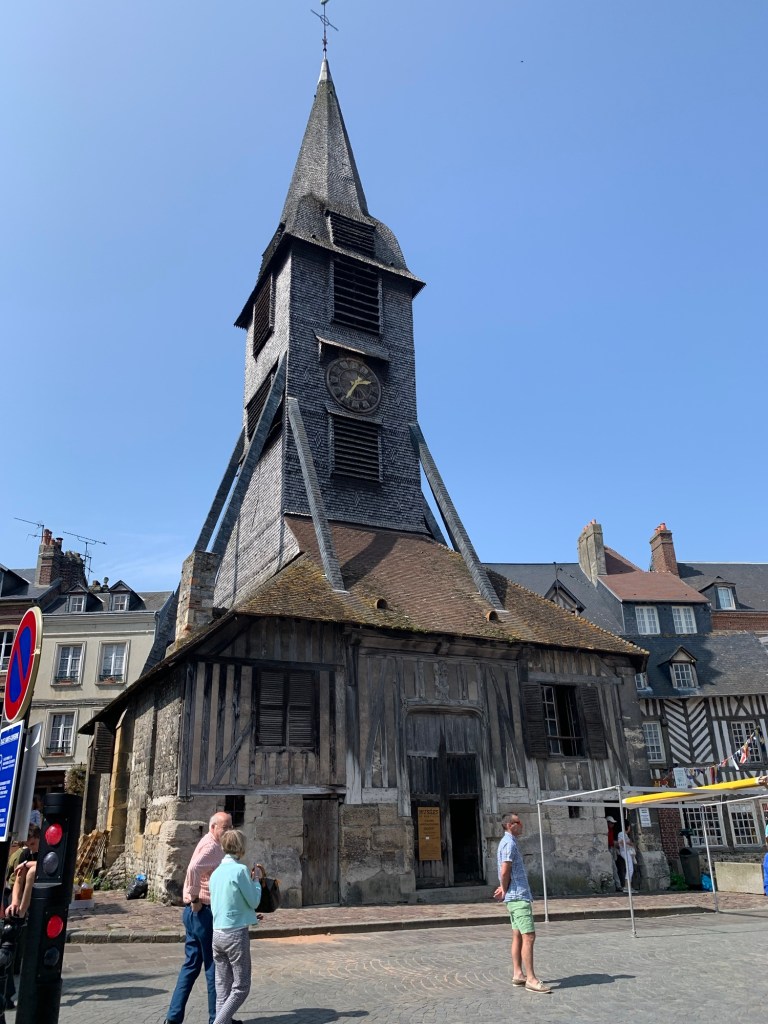
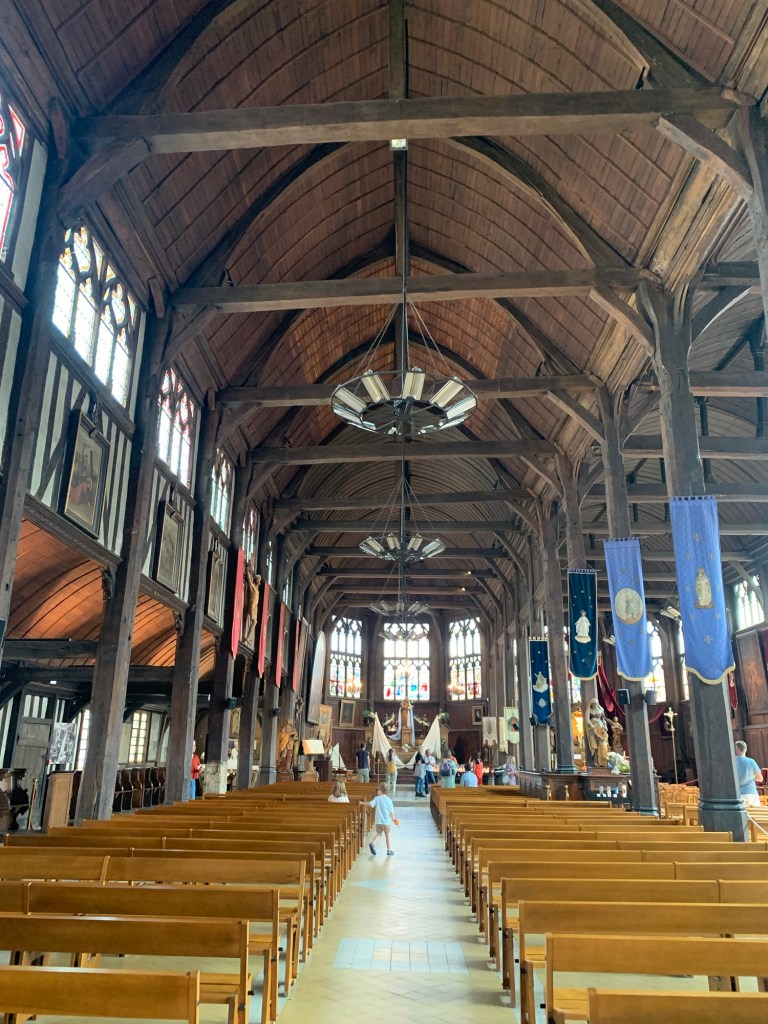
The Town was pretty full of tourists and it is very small so it was crowded and so, we had to stop for lunch.

Honfleur was one of the rare Normande towns that was not bombed to destruction during the Second World War and this is why we get to see today how looked in the 16th century. There was however a huge concrete blockhaus left right near the town centre that seems to have been turned into a museum.

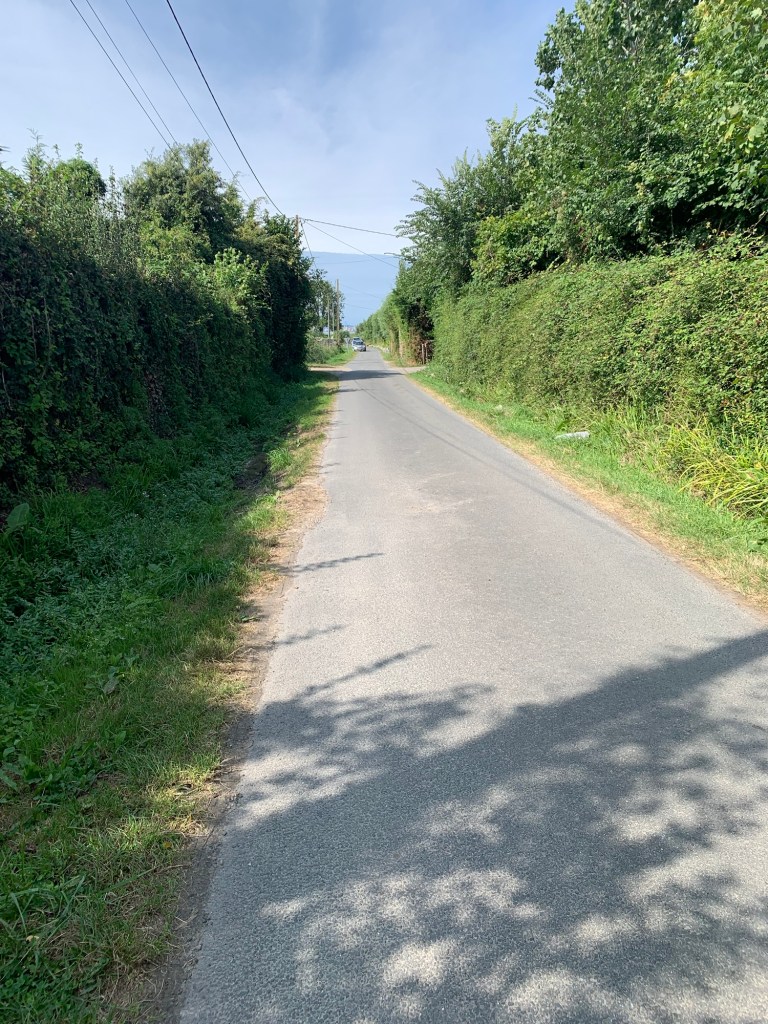
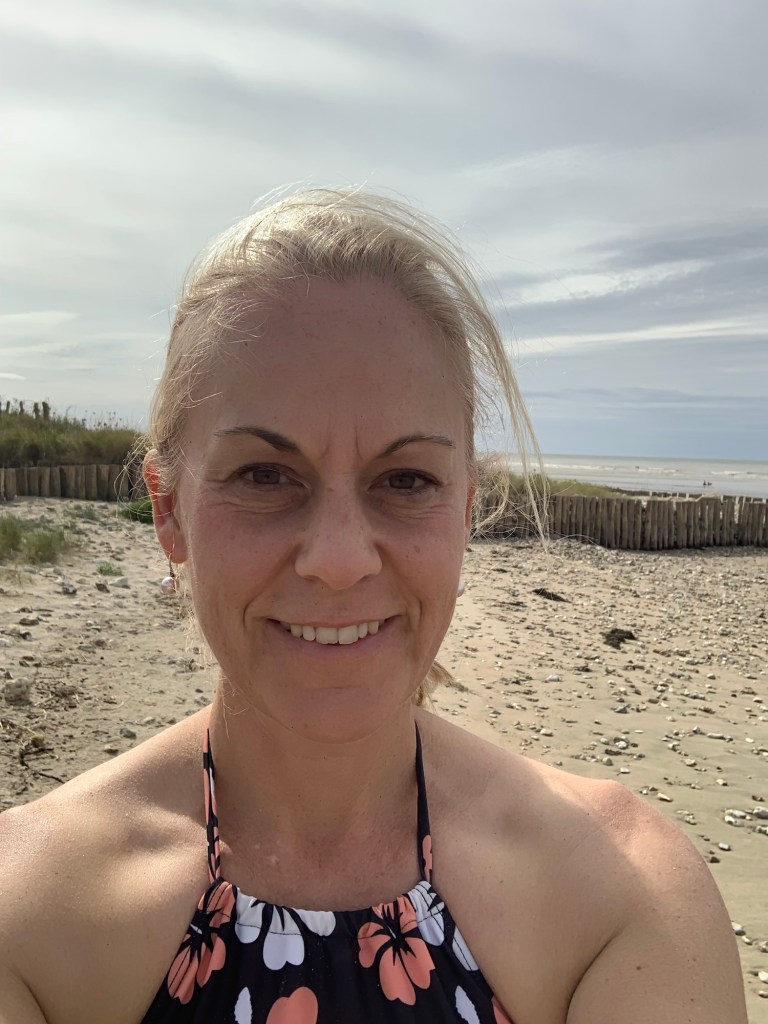
We finally made it to the beach after driving along the coast to try to get away from the crowds. We found a tiny little laneway with barely enough room to park the car and walked along a lush green scenery until we reached the beach. The beach actually had sand instead of pebbles although with lots of flint rocks that you see everywhere in Normandie. It was a very pleasant 25 degrees. It couldn’t feel more different from going to the beach in Australia!
 Adventure in Normandie